Sebastian Locksmith Service Team
Local locksmith team
Jul 13, 2026 12 min read
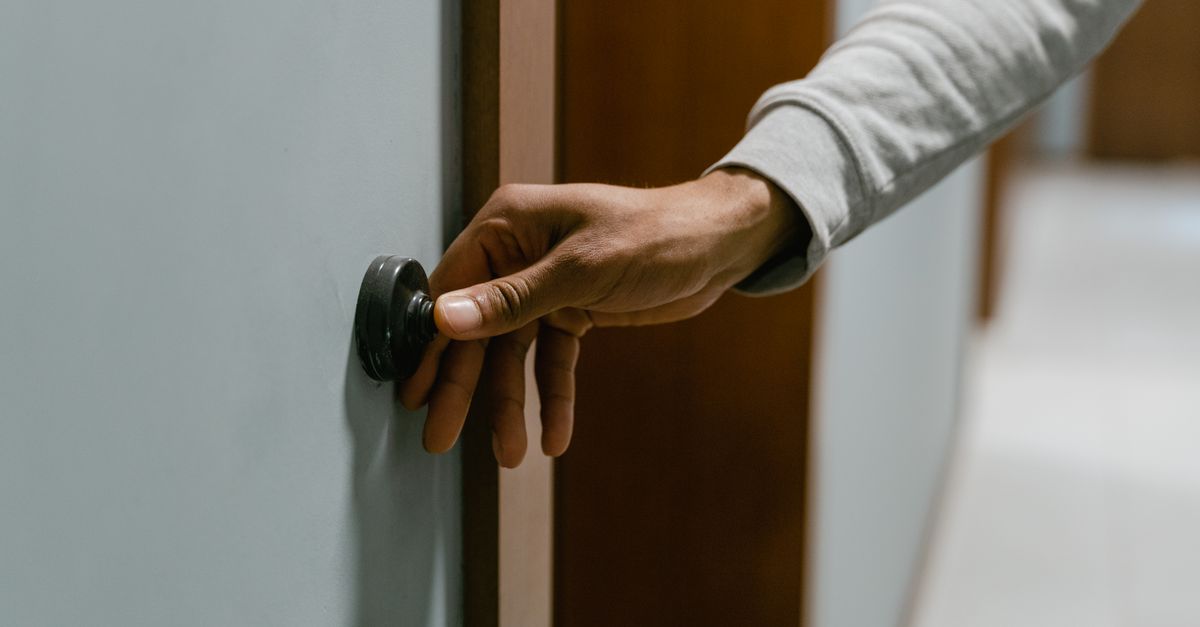
If you own a home along the Indian River waterfront, near the Pelican Island National Wildlife Refuge, or tucked into one of Sebastian's older neighborhoods off US-1, there is a good chance your front door holds a secret: a chunky, rectangular lock mechanism set deep into the door slab rather than mounted on the surface. That is a mortise lock — and while these locks were the gold standard in mid-20th-century Florida construction, they need a very different kind of care than the modern cylindrical hardware most homeowners are used to.
Sebastian's coastal-era homes were built to last, and their original locksets often did too — but salt air, decades of humidity cycles, and paint-over-paint renovation layers can leave even a quality mortise lock set stiff, stripped, or outright seized. This guide will help you identify what you have, understand when it can be repaired versus replaced, and know what a professional locksmith can do to bring your door back to full security without tearing out the original woodwork.
## What Is a Mortise Lock — and Why Are They So Common in Older Sebastian Homes?
A mortise lock is a lock mechanism that lives inside a precisely routed pocket — the 'mortise' — cut into the body of the door itself. Instead of a simple bored hole for a knob or lever set, the door receives a full rectangular cavity, and the complete lock body slides in: latch bolt, deadbolt, and sometimes even a privacy plunger, all in one integrated unit. On the outside face you typically see a trim plate (called an escutcheon), a handle or knob, and a keyhole — that classic skeleton-key silhouette many people associate with older homes. Builders throughout Florida's postwar coastal expansion, including right here in Sebastian and the Roseland area, favored mortise hardware because it was genuinely robust and consolidated multiple functions into a single, field-serviceable assembly.
Brands like Corbin Russwin and Baldwin built mortise lock sets that were meant to be rebuilt, not replaced — a philosophy very different from today's disposable cylindrical hardware. A Corbin Russwin mortise lock from the 1950s or a Baldwin mortise lock from a 1970s riverfront renovation may still have every original part intact; what it often needs is cleaning, lubrication, a new mortise lock cylinder, or a worn cam replaced. That repairability is one of the great advantages of mortise hardware: a skilled locksmith can often restore function for far less disruption than a full door replacement would require.
## How to Identify Your Lock Type Before Calling a Locksmith
The quickest field test: look at your door edge. A cylindrical lock (the kind sold at every home improvement store) leaves a round hole on the door face and a small rectangular latch pocket on the edge. A mortise lock leaves a deep, taller rectangular pocket on the edge — usually 1 inch wide and 5 to 8 inches tall — with the entire lock body sitting inside the door. If you see an ornate escutcheon plate running several inches up and down the door face, covering both the knob and the keyhole, you almost certainly have a mortise set. Another clue: the keyhole itself. A traditional mortise lock takes a long, flat skeleton key or, in later models, a small oval-profile key different from the common house key most people carry.
On exterior doors, look for a mortise lock set exterior door configuration with a keyed cylinder on the outside and a thumb turn on the inside — this combination became common in Sebastian-area homes built between roughly 1940 and 1985. Interior doors often used the same body but with a simple privacy turn on both sides and no keyed cylinder at all. Knowing which configuration you have before you call helps your locksmith arrive with the right parts, saving everyone time. If you are unsure, a quick photo of the door edge sent to our team at 772-732-0485 is all it takes.
## Common Problems — and What a Professional Locksmith Can Actually Fix
The most frequent complaint we hear from Sebastian homeowners with older hardware is a door knob with lock and key that no longer turns smoothly — or at all. In a mortise lock, this usually traces to one of four culprits: dried-out or gummed-up grease inside the case, a worn or broken cam (the small lever the cylinder turns to throw the bolt), a mortise lock cylinder that has reached the end of its service life, or a door that has shifted on its hinges so the bolt no longer lines up with the strike plate. All four are repairable without gutting your door. A trained locksmith will disassemble the case, clean or replace internal components, re-key or swap the cylinder, and adjust the strike plate — typically in a single visit.
More serious scenarios include a snapped spindle (the rod connecting the inside and outside knobs), a broken spring pack inside the case, or a case body that has cracked from decades of stress. Even here, quality mortise hardware is often salvageable: replacement cases for Corbin Russwin and Baldwin mortise lock models are still manufactured, and a locksmith who works regularly with commercial and residential mortise hardware will know how to source the right match. The scenario where replacement truly makes sense is when the original case is so corroded from salt exposure — a real risk for homes near the Indian River — that internal tolerances are gone entirely. In that case, upgrading to a modern high-security mortise set actually restores the same door prep and keeps the look your home was built with. Call 772-732-0485 any time — our team answers 24 hours a day, seven days a week, and can advise you on the spot.
## Cylinder Locks vs. Mortise Locks: Upgrading Without Compromising Your Home's Character
Many Sebastian homeowners ask whether they should simply swap out the old mortise hardware for a standard cylindrical deadbolt and a door knob with lock and key — the kind you can buy off the shelf. In some cases that makes sense, particularly on secondary or interior doors where security is a lower priority. But on a primary exterior door, the trade-off deserves honest consideration. A cylindrical lock requires only a 2-1/8-inch bore hole, so retrofitting one into a door built for a mortise set means filling a large rectangular cavity — not a trivial carpentry job, and one that can weaken the door edge structurally. Keeping a mortise configuration and simply upgrading to a modern high-security case and a grade-1 mortise lock cylinder (with anti-pick, anti-drill pins) often delivers better security with far less door modification.
If your goal is smart-lock integration or keypad access, that is also achievable with mortise hardware. Several manufacturers now offer retrofit electronic cylinders that drop directly into an existing mortise body, giving you keypad or app control without changing the door prep at all. A professional locksmith can walk you through which electronic options are compatible with your specific case dimensions. On the commercial side — relevant for Sebastian business owners with older storefronts or dock offices — mortise hardware is actually preferred for high-traffic doors precisely because the mechanism is contained inside the door and not exposed to the wear and lever-force that cylindrical sets experience. Our commercial locksmith work in Sebastian regularly involves servicing or upgrading mortise sets in exactly these kinds of buildings.
## What Happens During a Locksmith Mortise Lock Service Call
When you call us for a mortise lock service — whether it is a lockout, a repair, or a full upgrade — here is what to expect from the visit. We arrive with a full mobile workshop, so we can disassemble, assess, and in most cases complete the work on the first trip. We verify ownership of the property before any lock work begins; that is a standard step we take on every residential and commercial call. We then remove the escutcheon and knob set, extract the mortise case from the door pocket, and inspect every component: the latch bolt, the deadbolt throw, the cam, the springs, and the cylinder. We give you a clear, confirmed price before any work starts — the final quote depends on factors like the specific lock model, the parts required, the time of day, and travel distance to your address, so we confirm everything up front rather than surprising you at the end.
If we are re-keying the mortise lock cylinder, we can typically cut new keys on site from our mobile key machine. If we are installing a new mortise lock set, we bring common replacement cases and trim in the van; specialty or vintage-match hardware may need to be ordered, in which case we can install temporary security measures the same day. The whole process for a standard mortise lock repair — clean, lubricate, adjust, re-key — usually takes well under two hours. For a full case replacement on a well-prepped door, plan for two to three hours. We also offer emergency locksmith response when you are locked out and cannot wait: our mobile team covers Sebastian, Roseland, and the surrounding Indian River County area around the clock. If you are standing at your door right now, call 772-732-0485 — we will get someone moving toward you immediately.
## 25 Locksmith Services We Provide in Sebastian, FL
Our mobile locksmith team handles a wide range of residential, commercial, and automotive needs throughout the Sebastian area. Here is a specific look at what we do: residential mortise lock repair and restoration; mortise lock set installation on exterior and interior doors; mortise lock cylinder re-keying and replacement; skeleton key and vintage key duplication; high-security deadbolt installation; smart lock and electronic cylinder retrofit; door knob and lever set replacement; lock-out response for homes and businesses; master key system design for rental and investment properties; strike plate reinforcement and door-frame security upgrades; window lock installation and repair; sliding glass door lock service — common in Sebastian's coastal homes; mailbox lock replacement; padlock opening and replacement; garage door lock and handle repair; commercial mortise lock service for storefronts and office buildings; access control system installation; push-bar and panic hardware service; commercial door closer adjustment; safe opening and combination changes; key-in-knob lock service; apartment re-key after tenant turnover; construction master key programs; lock rekeying after a break-in or lost key; and automotive lockout service including car key cutting, transponder key programming, key fob replacement, and ignition lock service for a wide range of vehicle makes and models. We do not operate a self-service kiosk — every service is performed in person by one of our trained, insured mobile locksmiths, which means the work is verified, warranted, and done right the first time rather than relying on an unattended machine to copy a worn key that may not function correctly.
Frequently asked questions
What can I do if I get locked out of my house?+
First, stay calm and check whether any other entry point is unlocked — a back door, a garage side door, or a ground-floor window you may have left open. Check whether a trusted neighbor or family member has a spare key. Do not attempt to force, pry, or pick the lock yourself; this can damage the door, the lock case, and in the case of an older mortise lock, bend components that are expensive to replace. If no legitimate entry option is available, call a professional locksmith who can verify your ownership and open the door without destructive methods. Our team at 772-732-0485 responds 24 hours a day, seven days a week, including holidays — so you are never waiting until business hours to get back inside safely.
How much does it cost if you get locked out of your house?+
There is no single flat rate for a lockout, and anyone who quotes you a firm price before seeing the situation should raise a flag. What determines the final cost is a combination of factors: the type of lock on your door (a standard cylindrical lock is simpler to open than a seized antique mortise lock), the time of day (overnight and weekend calls carry different rates than weekday daytime calls), travel distance to your address, and whether any parts need to be replaced versus simply releasing the existing mechanism. What we always do is confirm an exact, agreed price with you before any work begins — so there are no surprises on the invoice. Call 772-732-0485 and we will give you a straightforward quote as soon as we understand your specific situation.
Can police help if I am locked out of my house?+
In most situations, no — and this surprises many people. Law enforcement officers are not trained or equipped to open residential locks, and they generally do not carry the tools to do so. In a genuine emergency involving a safety concern — for example, a child or pet locked inside — officers may call for assistance or, in extreme cases, authorize entry, but they cannot simply let you into your own home on request. The right call for a lockout is a professional locksmith who can verify ownership and open the door cleanly. Police will often tell you the same thing. Save the non-emergency line for actual emergencies and save 772-732-0485 for lockouts.
How much does a 24-hour locksmith cost compared to a daytime call?+
After-hours and emergency locksmith service does typically carry a higher rate than a scheduled daytime appointment, because mobile response at 2 a.m. requires the locksmith to be available, stocked, and on the road at any moment. The exact difference depends on the nature of the job, the parts involved, and travel distance. What never changes in how we work is transparency: we confirm the full price before we start, so you know exactly what you are agreeing to regardless of the hour. If cost is a concern, let us know when you call — we will explain every factor in the quote so you can make an informed decision. Reach us any time at 772-732-0485.